Hidden Heritage Spotlight: Havoc Meadows
– 3 min read
If you say the word ʻheritageʼ, most people might think of a building or a famous person, perhaps even folk tales and traditions.
But thereʼs another aspect of our collective heritage thatʼs just as important.
Heritage can be defined as the things weʼve inherited from previous generations and want to pass on to the next - and in that sense thereʼs nothing more important than our natural heritage.
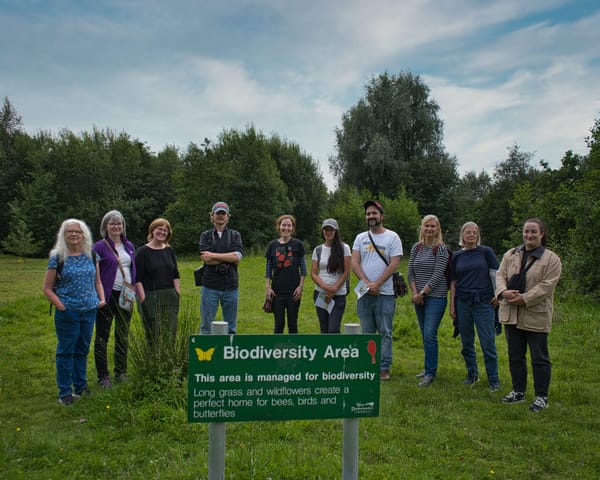
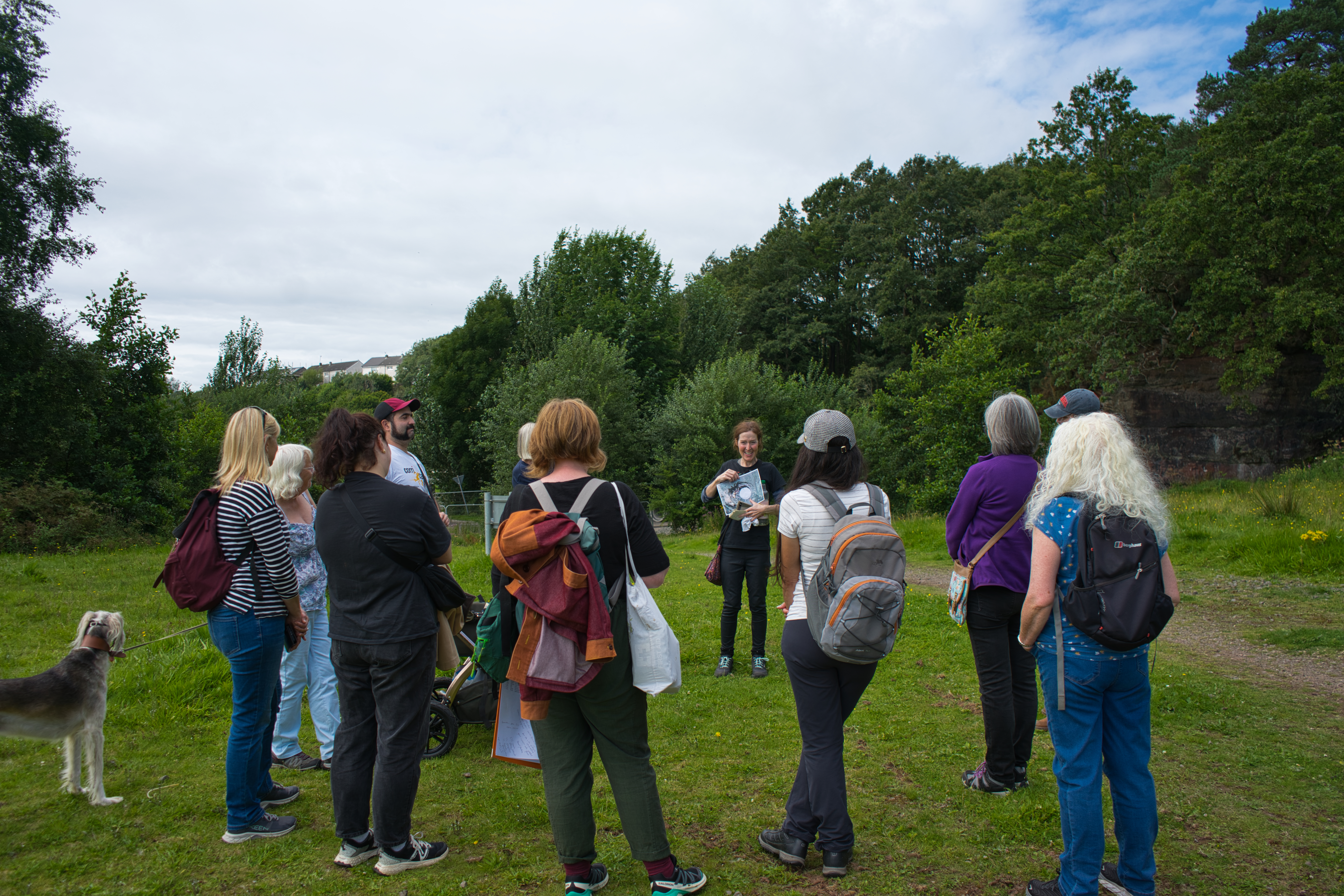
It was just such natural heritage that was explored on two of our Heritage Nature walks in August when we teamed up with Zoe Weir from the local community group Friends of Havoc Meadows who led a captivating guided walk around the Havoc Meadows in Dumbarton.
Even people who are local to the area may not be aware of the fascinating history of the site and the amazing range of plants, animals and insects that now call it home.
The name ʻHavocʼ comes from Havock, which was the name of a farm that stood on the site from at least the early 19th century.
Since then, itʼs been used variously as cow grazing pasture, allotments, landfill and even red blaes sports pitches - all of which have left their mark on the landscape.
Since intense human activity has reduced in the area, wildlife has regenerated remarkably quickly.
This year the site celebrates 10 years of being a Local Conservation Area, which recognises the importance of this unique environment and means it is offered special protections.
The Friends of Havoc Meadows are currently working to have this designation upgraded to a Nature Reserve, which would bring further recognition.
What makes the area so special is its unique mix of habitats.
The cliffs along the top end of the site once marked the point at which the sea reached inland, and the current meadows would have been the sea bed.
Strange to think, now that the Clyde has receded a good quarter mile away!
The cliffs provide shelter from the elements, and since they are south facing, create a microclimate which allows a unique mix of plants and animals to be found here that are very rare even a short distance away.
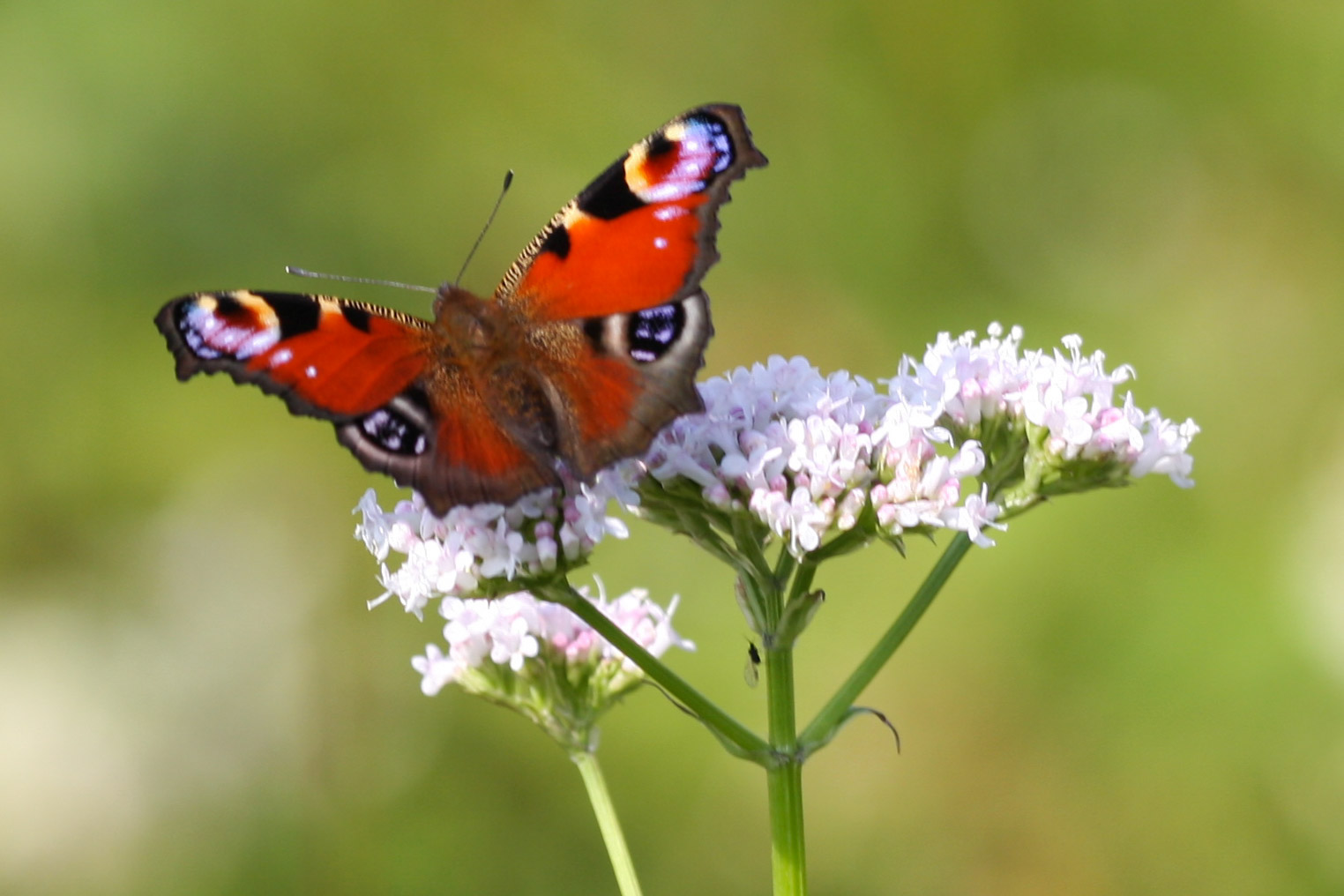
It also means itʼs the best place in south west Scotland to see a range of butterflies, who love the warm and sheltered position.
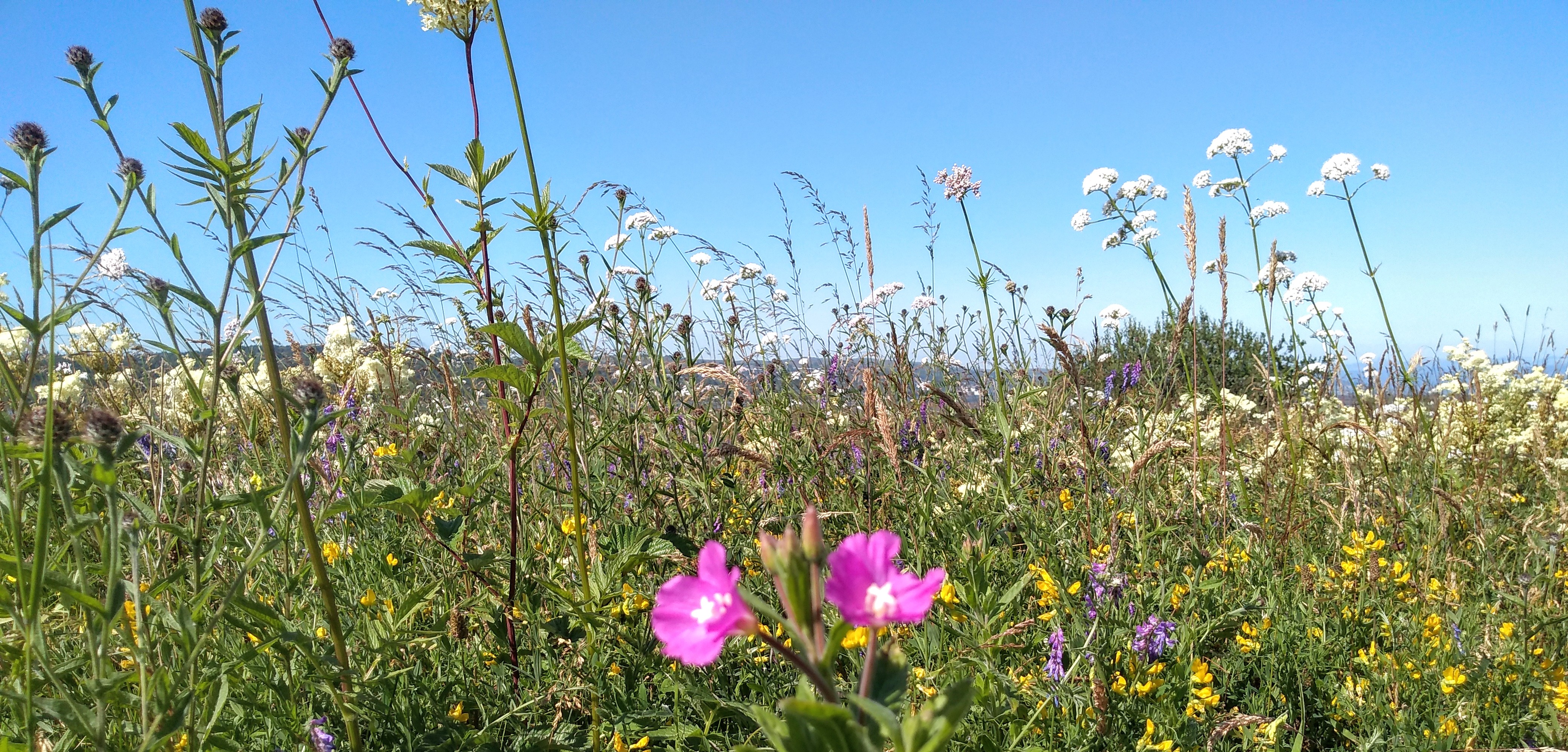
The meadows themselves are home to an incredible 272 species of flowering plants, 22 grasses and 11 mammals (including two types of bats, and weasels!)
Many of these were highlighted on the walks, with Zoeʼs expert insights helping people to notice things they would otherwise have overlooked.
Like the long horned moth which looks like a fairy when in flight, or a plant known as eyebright that has been used as a herbal remedy for centuries to improve eye health.
The site changes significantly over the seasons, with June the best time to see the native orchids which have flourished alongside other wildflowers since mowing was reduced at the site 10
years ago.
Far from being hidden, the natural heritage of Havoc Meadows is easy to find and explore.
Parking is available on Havoc Road, or you could enjoy a walk west along the path from Levengrove Park.
Next time youʼre there, stop - listen and look - and you may just spot something youʼve never seen before.
The Friends of Havoc Meadows have regular opportunities to get involved in taking care of this special site, including butterfly counts, litter picking and removing invasive species.
Follow them on Facebook to keep up to date: facebook.com/havocmeadow
Support Clydesider by becoming a member here: Join Clydesider Community Magazine's Membership