
Mushroom Spotting
By Harvey Smart

By now hopefully you have seen our video series Mushroom Spotting on Clydesider TV where we explore the wide and wonderful world of fungi.
I first wrote about my passion for mycology in the magazine nearly four years ago when I first started working for Clydesider.
Wow, time sure does fly! As itʼs our 10th anniversary issue, I thought it was a good time to revisit one of my own personal milestones.
Weʼve had a pretty warm summer (for once) which has been a huge boon for fungal growth in our woodlands here in West Dunbartonshire.
As the tree canopy shifts from green to fiery yellows and oranges, now is the perfect time to get out with a camera, basket, or just an inquisitive eye.
Fungi come in all shapes, sizes and colours, not just the classic toadstool shape.
While many mushrooms have the classic gills, which act as reproductive surfaces producing billions of spores, they can take many more varied and fascinating forms, like these aptly named Hedgehog Mushrooms that instead have the soft spike underneath their caps.
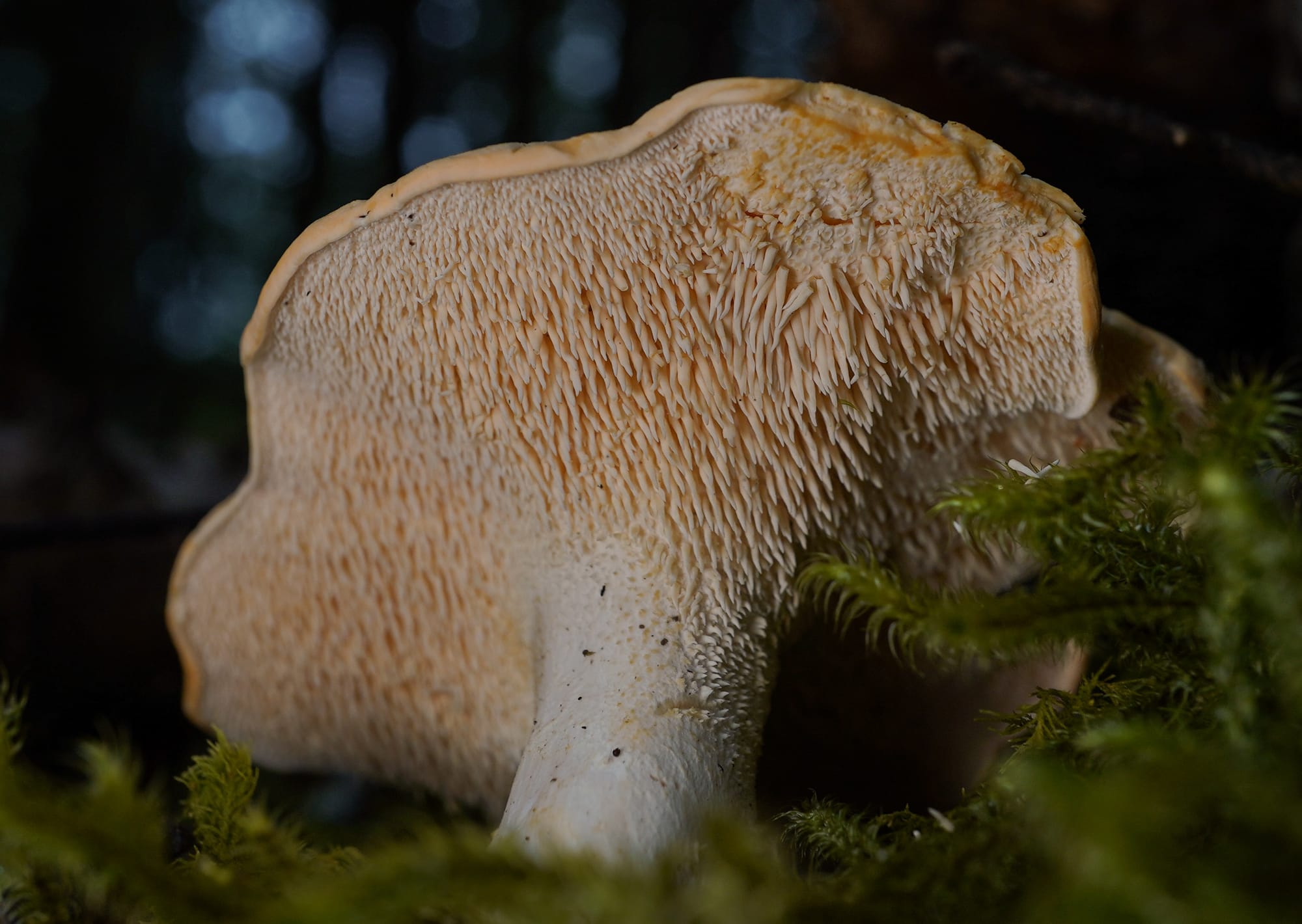
A prized culinary mushroom, they are also known in France as Pied de Mouton (Sheeps Foot). They can often be found growing among Beech, Birch and Oak trees.
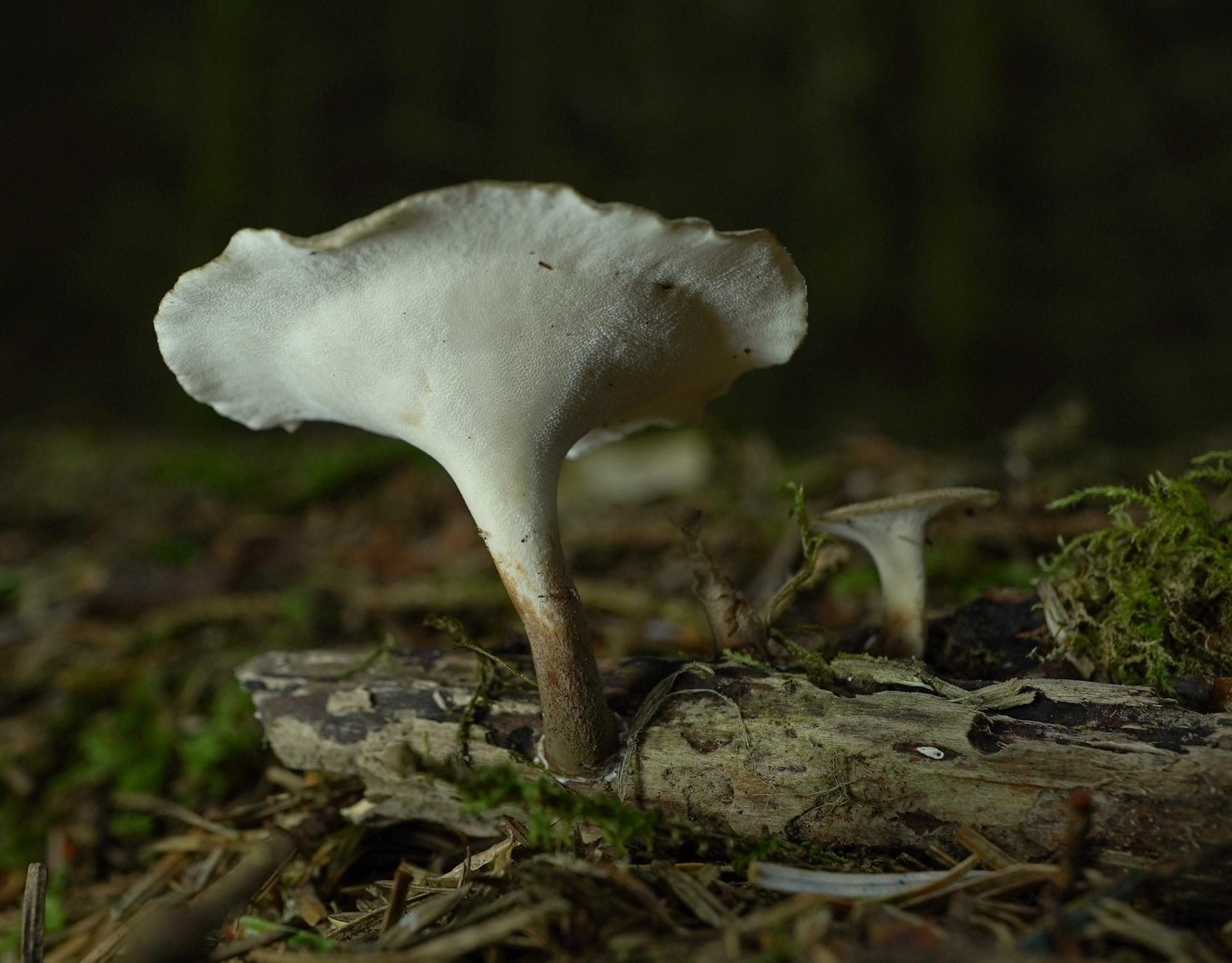
Others, such as the Black Footed Polypore, instead have pores that produce spores.
Fungi need two things to thrive - food and water. In fact most mushrooms are made up of around 90% water, so they need a lot of it. Our forests here in the West of Scotland during the autumn months, when a thick blanket of damp, fresh fallen leaves cover the ground, provide the perfect habitat and sustenance for hundreds of different species. When youʼre walking through woodland, keep your eyes on the ground to spot some of these smaller but beautiful species.
These Amethyst Deceivers (pictured below) grow in large numbers among Beech and Oak trees.
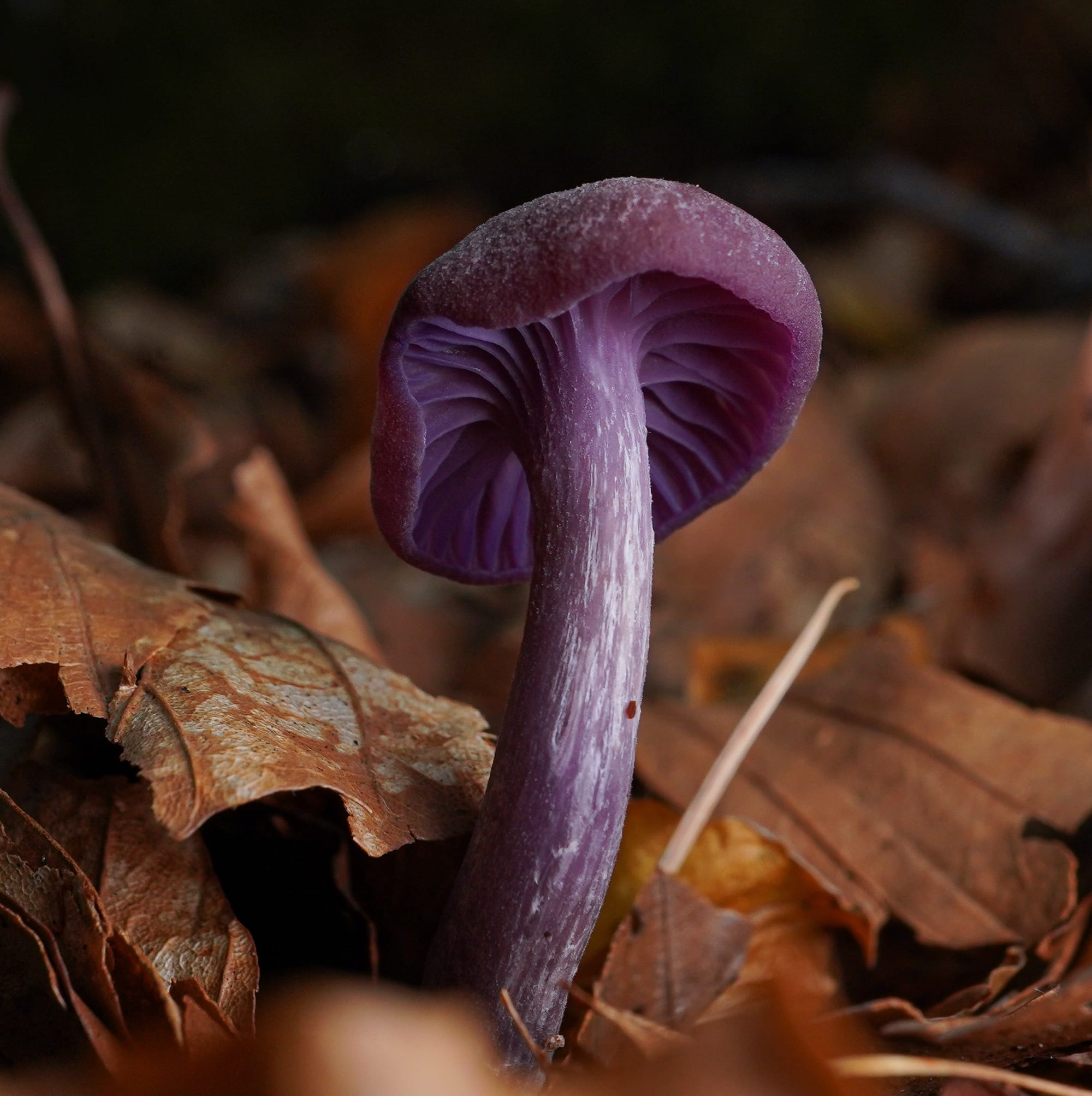
Like many types of fungi, they are mycorrhizal, which means they share a symbiotic relationship with a host tree.
The fungus provides minerals to the tree and in return receives sugars from the tree.
Fascinatingly, the fungal filaments can also create a network (colloquially known as the Wood Wide Web) across an entire forest, allowing resources to be shared, particularly from older trees to younger, more vulnerable seedlings.
Members of this network can also use it to communicate, warning of dangers such as insects or drought.
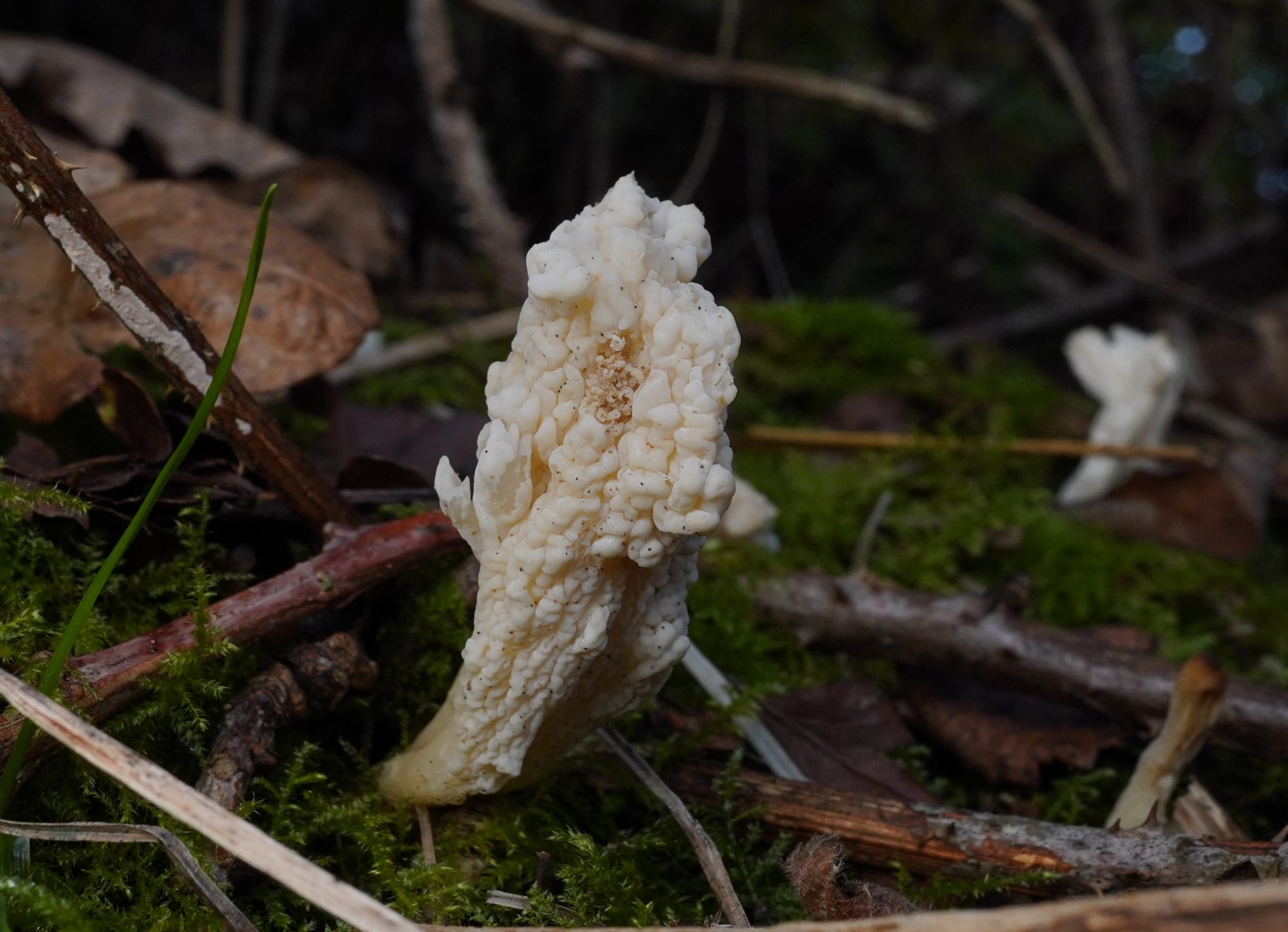
Some of the forms fungi can take can be quite bizarre, like this Wrinkled Club, that looks strikingly like a coral you might find on a tropical reef.
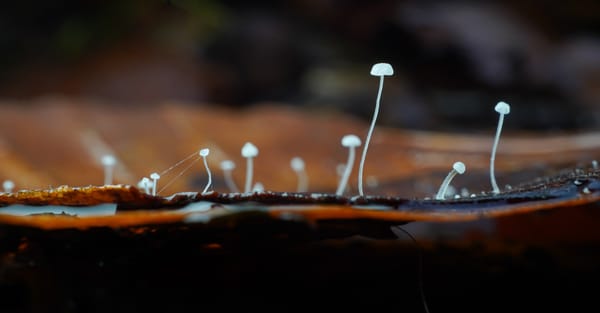
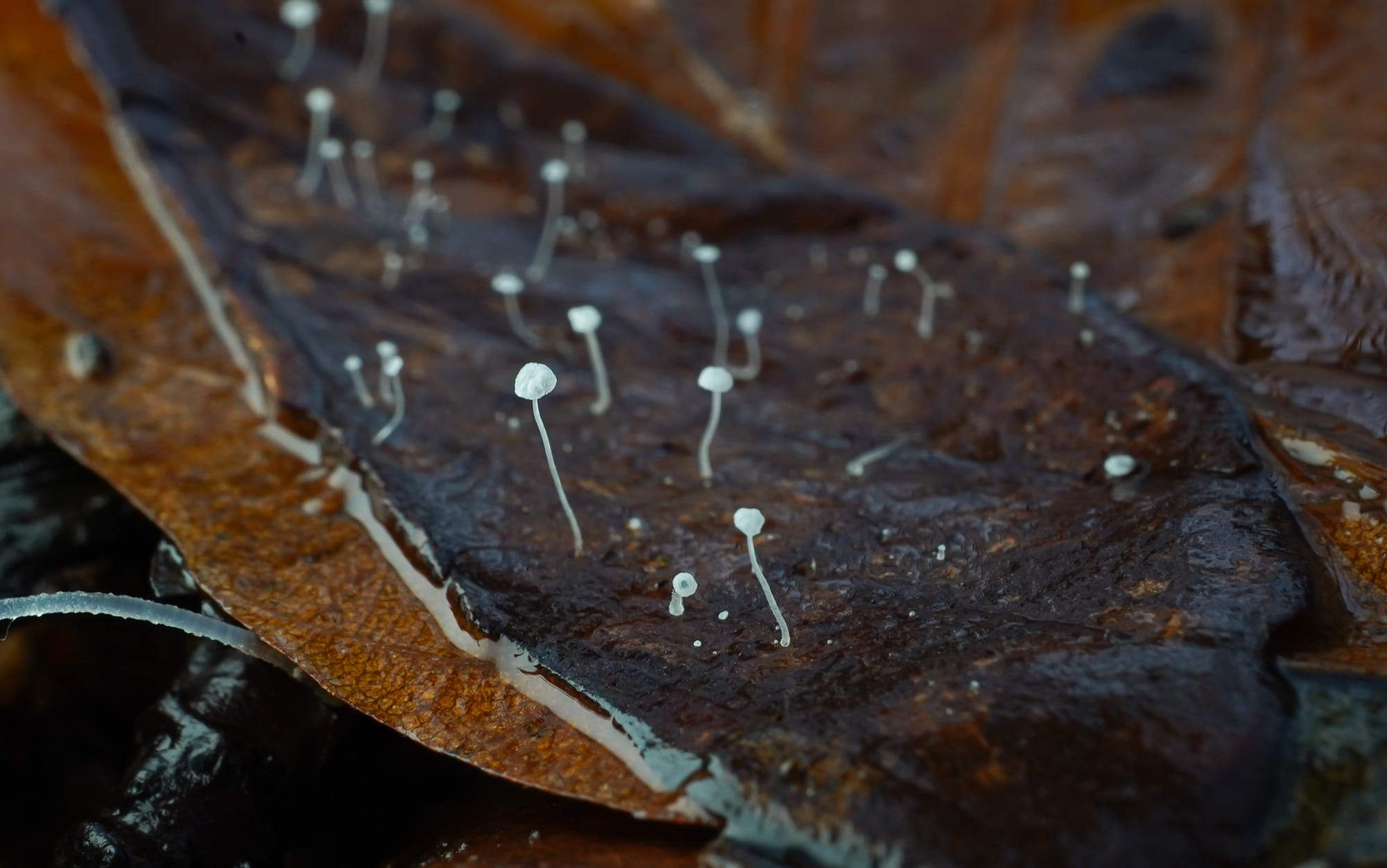
They can also be microscopically small, like tiny mushrooms growing on a small leaf.
So, where can you find these incredible organisms?
The short answer: almost anywhere.
Weʼre lucky enough here in West Dunbartonshire to be surrounded by woodlands where, at the right time of year, youʼre almost guaranteed to stumble across something special.
Now, true foragers are notoriously protective of their secret spots - and Iʼm no exception!
But without giving away the crown jewels, two of my absolute favourite locations for finding a rich variety of fungi are Balloch Park and the Overtoun Estate in Dumbarton.
As a general rule of thumb, keep an eye out for older, native woodlands, particularly areas rich in mature Oak, Beech, and Birch.
If youʼre inspired to step into the woods this season, you don't need expensive gear.
In fact you donʼt need anything but your own two eyes! But bringing along a magnifying glass and field guide wouldnʼt hurt!
One more thing - do NOT go around eating mushrooms you find!
Many edible species have lookalikes that can make you violently ill or worse.
Be 100% sure before you think about foraging for food.
Happy hunting, and hereʼs to another ten years of exploring Clydesider's wild back garden!