A Museum for Community
Words & Photos by Suhaila Ahmed

– 4 min read
Words & Photos by Suhaila Ahmed
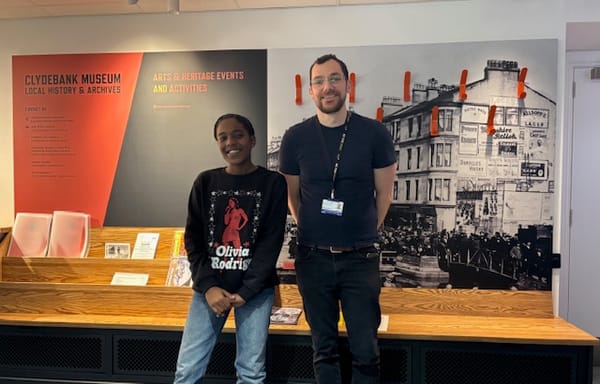
I moved to Clydebank last year, and life here has been wonderful ever since.
I quickly grew fond of my neighbours, everyone is welcoming, friendly, and kind.
What I love most is how convenient everything is. There is a shopping centre with almost everything you need, along with several grocery shops just a short walk away.
Moving to Clydebank truly changed my life.
As I settled in, I felt a growing curiosity about the town itself. Clydebank seemed full of stories and history, and I wanted to learn more about the place I now call my forever home.
What better way to do that than by visiting the local museum?
Opened in July last year and officially to the public in August, Clydebank Museum, Local History and Archives is located on the basement floor of Clydebank Library.
Since I visit the library often, discovering that a museum had opened there, felt like a small miracle. It was as if my wish to learn more about Clydebank had been answered.
The museum clearly took a long time to open, and it is easy to see why.
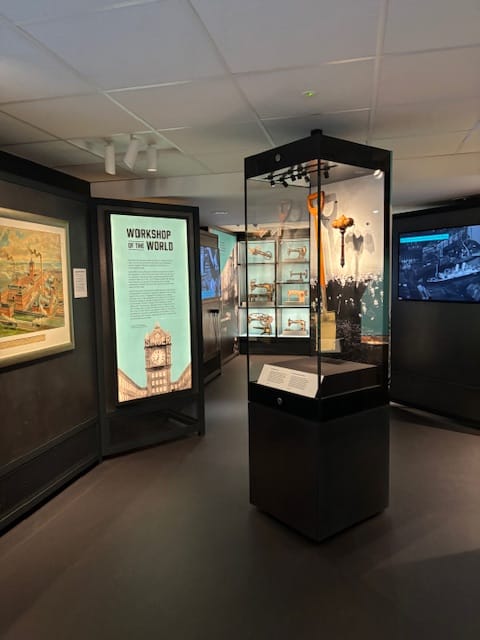
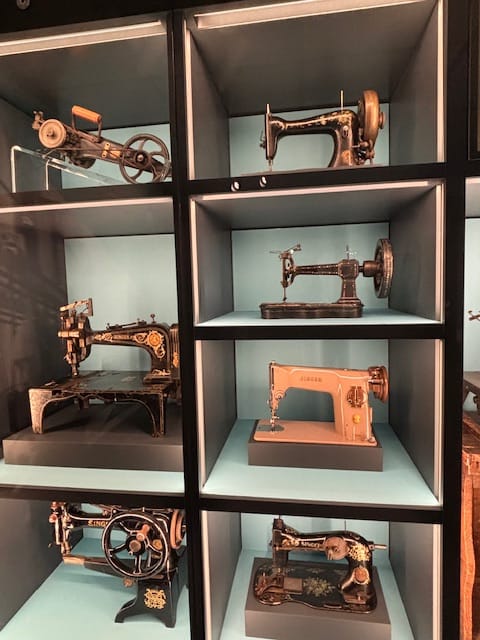
It is thoughtfully designed to tell the story of Clydebank’s past. Alongside this, it houses the Singer Sewing Machine Collection, which was awarded the ‘Recognised Collection of National Significance’ by Museums Galleries Scotland in 2013.
But here is what truly stood out to me. The museum focuses on ordinary people, the citizens who lived through the Clydebank Blitz.
As I walked through the exhibits, videos played on the walls, and I could hear a woman describing her personal experience during the bombings. It was deeply moving.
Seeing how a small town endured such destruction yet believed in rebuilding was powerful. Clydebank lost almost everything, but it never gave up. Instead, it chose to look forward.
Even now, I often find myself walking through the streets, imagining how they once looked, reduced to ruins. Over 200 German Heinkel 111 and Junkers 88 bombers flew over Clydebank during the Blitz. The attack lasted more than nine hours.
It is almost unbelievable to think about, and yet, standing there today, surrounded by life and resilience, it makes Clydebank’s story even more extraordinary.
The museum may be small, but it brings together the entire history of Clydebank in one place.
You do not only learn about the Blitz; you also discover how Clydebank was built through industry. Before the 1870s, the area was largely rural, made up of only a few farms.
Everything changed when a shipyard opened on the banks of the River Clyde, marking the beginning of Clydebank’s transformation into an industrial town.
The museum also explores the history of Singer manufacturing.
At first, I wondered why there is a train station called Singer. However, I soon learned that Isaac Singer was such a significant figure in Clydebank’s history that having a station named after him almost feels like an understatement.
In 1851, Isaac Singer founded I. M. Singer & Co. with Edward Clark in Virginia, USA, to manufacture sewing machines. Due to the worldwide demand for these machines, the company opened its flagship Singer factory at Kilbowie, Clydebank, in 1884, making it the largest factory on Earth!
Realising that I now live in the very place where this remarkable history unfolded makes me smile.
Visiting the museum was a wonderful experience, and it was about much more than simply learning history.
Being there made me feel like part of the community.
The museum is different from others because it is created for local people. It is not designed mainly for tourists, and that is what makes it so meaningful. Its main objective is to build a sense of community and create a stronger connection with its visitors.
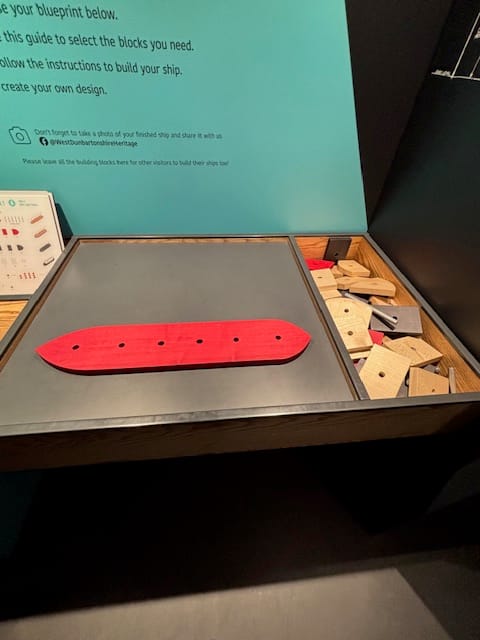
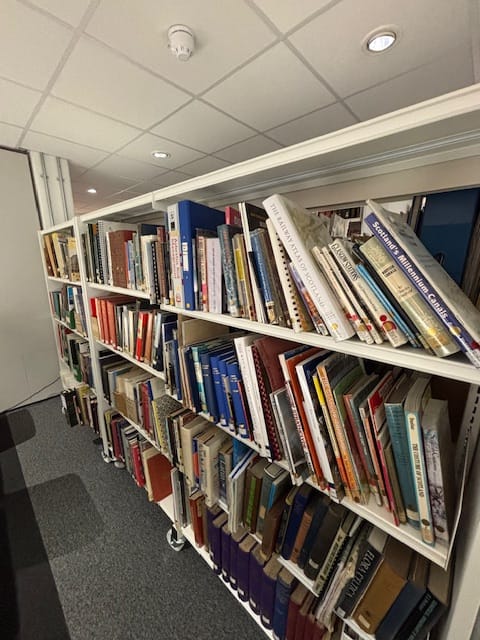
In addition, the museum includes interactive activities, such as a game where you can build a ship, and it also has an archive containing thousands of records and information about Clydebank.
Learning about Clydebank was memorable, it was an experience I will not forget, and I am truly glad that the museum was brought to life. I hope it continues to inspire visitors, reminding them of the strength, resilience, and hope that define Clydebank.