From the Darkness to the Light: Reflections of Me
Words & Photos by Sarah Dillon
– 4 min read
Words & Photos by Sarah Dillon
“I talk a lot, and I write things down as well, but I've enjoyed taking photographs, because that's like another dimension, because sometimes you just can't find the right words to explain how you're feeling. But if you just look at the photos it's all there. I think it's been a great thing.”
“In the process of making the photobook; using my own photos, I thoroughly enjoyed it and it has made me fall in love with photography.”
“It was a fun way to reflect on a painful journey.”
THE ABOVE WORDS are all from members of two organisations based in Clydebank, who took part in the Reflections of Me project which was run by Inclusive Images from the autumn of 2024 through to the spring of 2025.
Alternatives is a community- based drug project helping local people to find their own path towards a fulfilling lifestyle.
And Stepping Stones is a local charity supporting people experiencing common mental health problems.
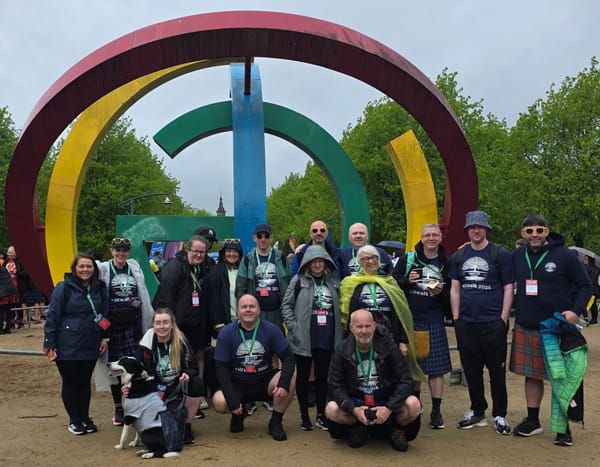
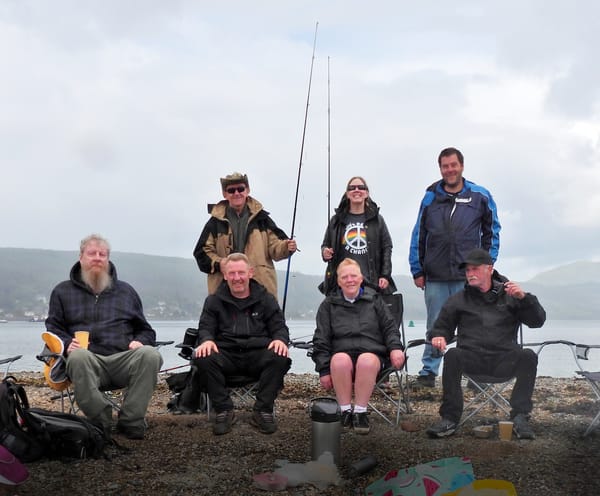
Both service members and staff from Alternatives and Stepping Stones took part in the project.
The groups met in two separate venues but shared a common purpose: “We were actually each other's support structure in that wee class,” said one member.
Another commented:
“We've all probably had similar experiences on our addiction and on our recovery journey. And it kind of reinforces that to you, that you're not alone and you're not the only person that's been through that."
Guided and mentored by Charlie Eleftheriades-Sherry from Inclusive Images, the groups met, on average, once a fortnight.
This allowed time to take photographs, indoors and outdoors, one week; and to meet, discuss and show their photos on the alternate week.
The aim was for members to be able to talk about life challenges, lived experiences and ongoing recovery.
Using the medium of photography, we would reflect on periods of addiction or of poor mental health, and on the ways in which we overcame these challenges.
It was good to talk.
People seeking help for addiction or poor mental health problems often face stigma, ignorance and misunderstanding.
Traditionally these issues were hidden and became sources of shame.
Nowadays it is more acceptable to talk openly of our difficulties and to seek help.
We get that help from support organisations as a whole and also through meeting and sharing ʻour own storyʼ.
Talking about common lived experience as peers is invaluable, irreplaceable and life changing.
At the start of the project we drew up a list of difficulties we had faced – addiction, anxiety, depression, panic attacks, physical ill–health, reactions to bereavement or loss - to name a few.
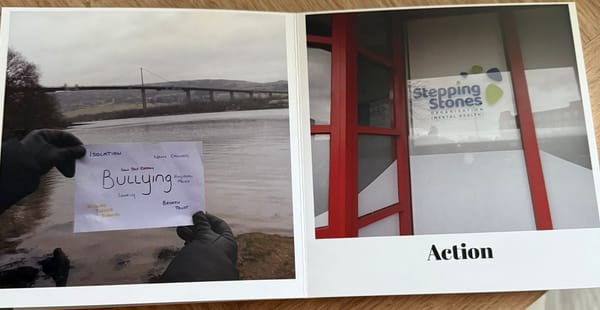
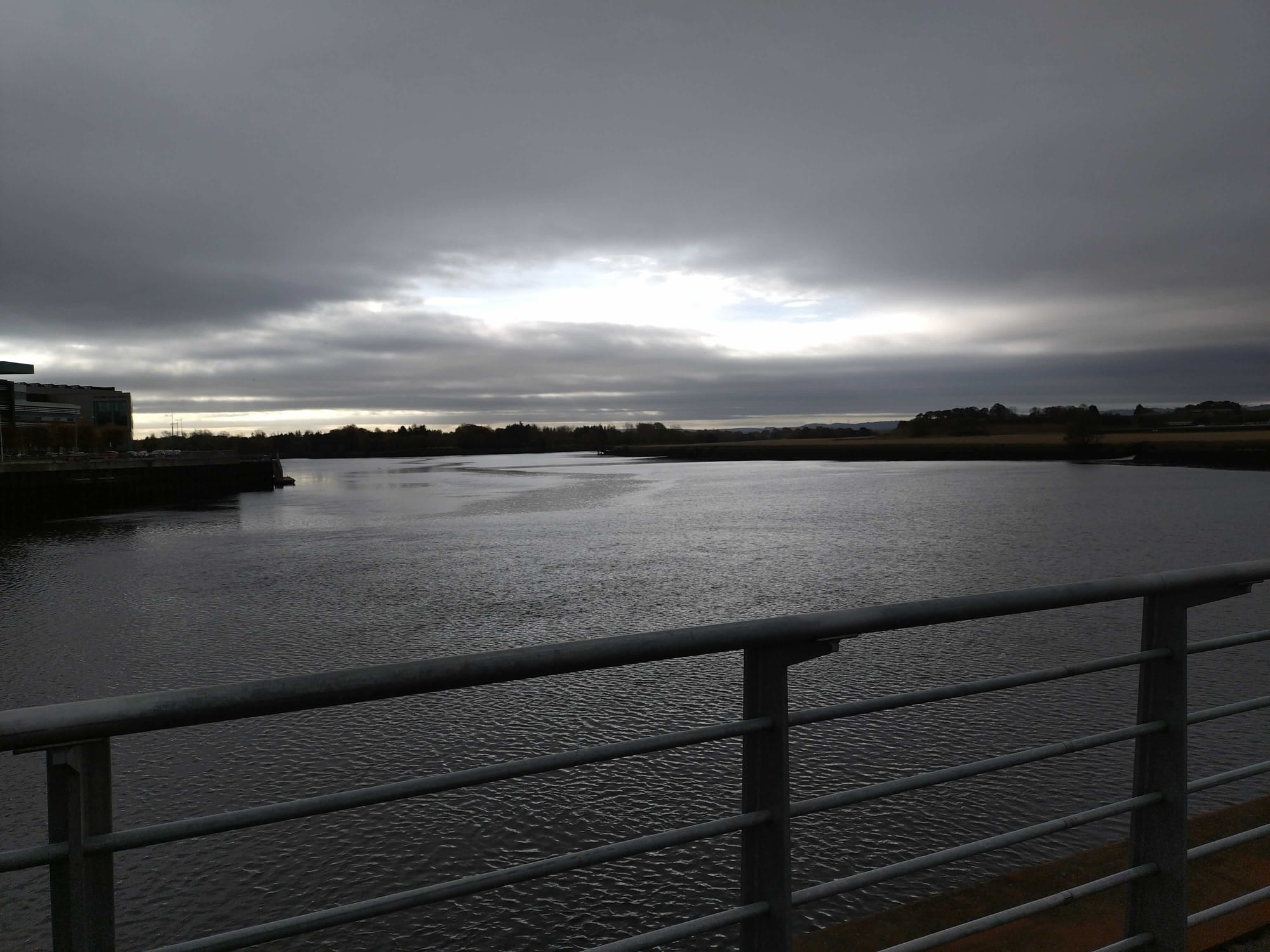
We took photographs of places, objects, and symbols which represented sadness and times of struggle in our lives.
Members who had attended the same organisation for differing reasons met and got to know each other.
Quickly, due to the nature of the subject matter, people shared stories of their individual experiences in a place of confidentiality and safety.
As we listened, we grew in trust and confidence.
Looking at and discussing each others pictures was a source of both tears and laughter. It was a truly humbling experience to hear what other people had come through.
The depth of sharing and of emotions expressed, was way beyond what we had expected or thought it could be.
We then went on to take pictures representing times when we began to get help; to feel better and to do things that led to, and helped maintain, our recovery.
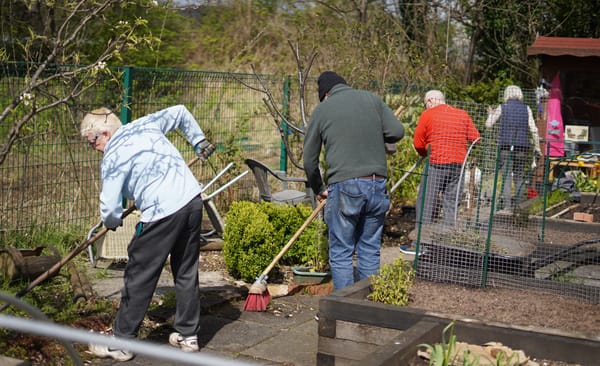
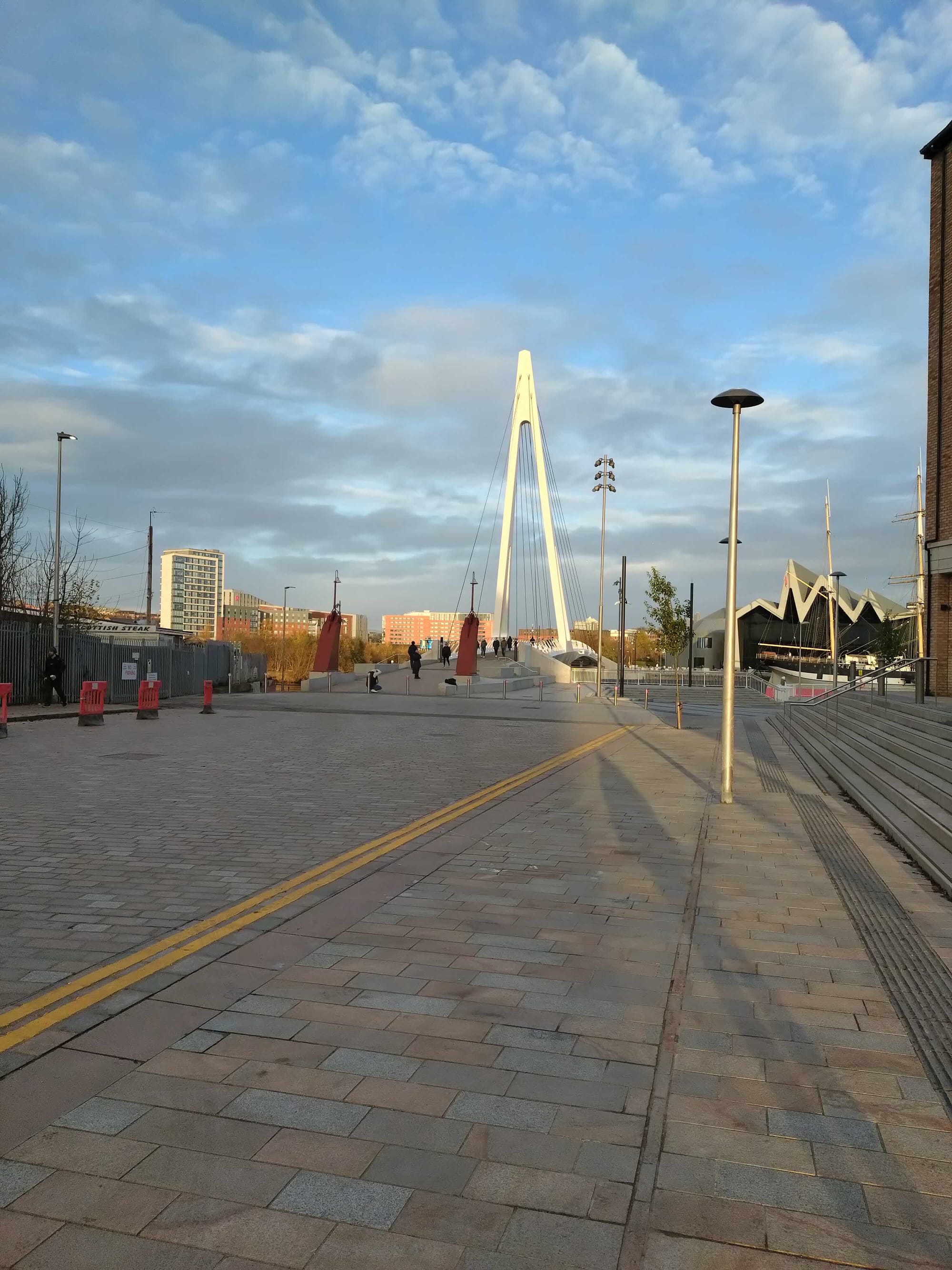
We took photographs of family, friends and beloved pets who had supported us. We photographed nature, the change in the seasons, our outdoor wellbeing walks, the Forth and Clyde canal and the River Clyde – the canal and the river right on our doorstep. We are so lucky.
It was easier, and of course somewhat more pleasant to find and capture images which brought us happiness and joy.
When we had collated all our photos they were printed into full-colour booklets.
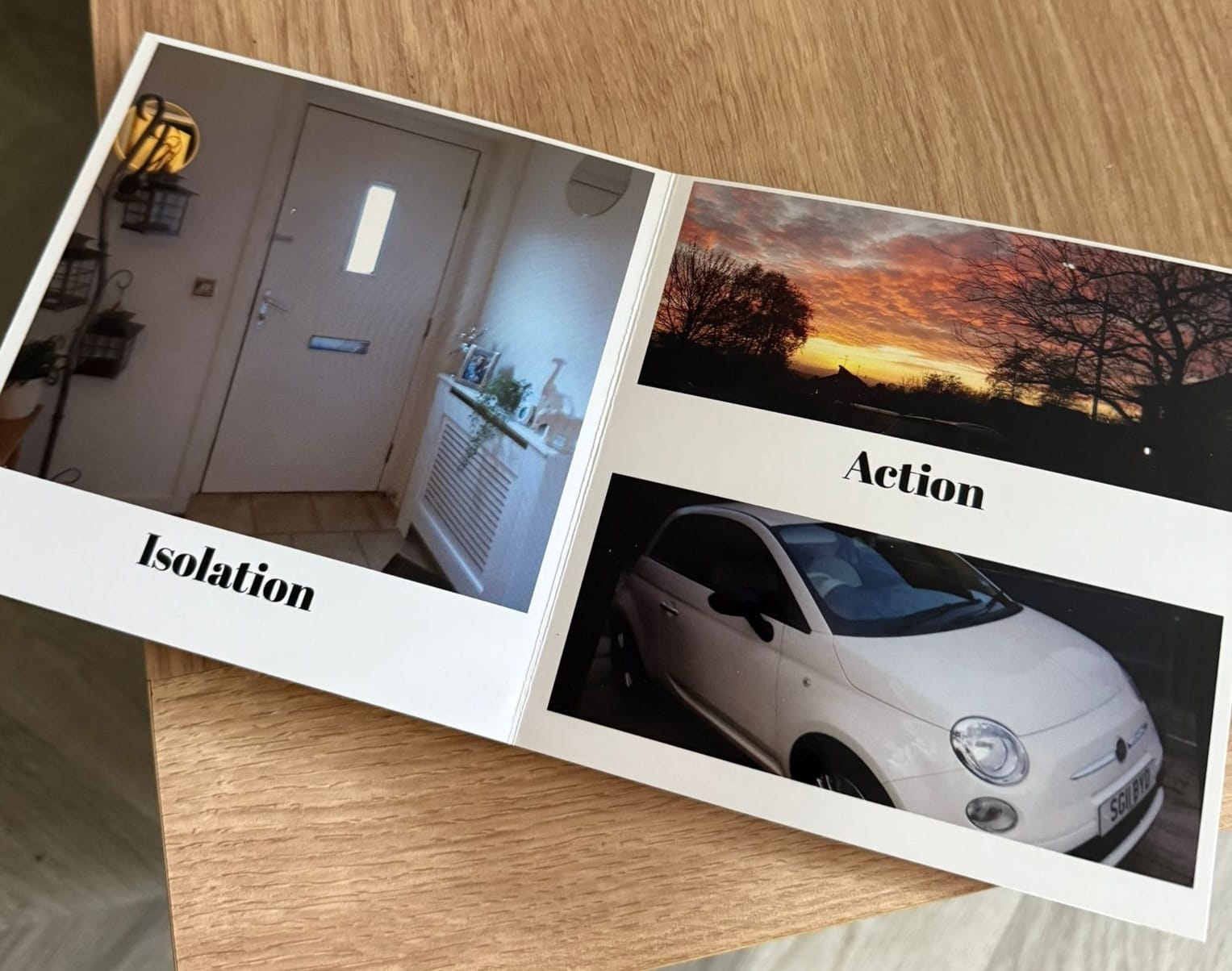
Every member of each group had their own individual booklet to illustrate their own recovery story.
None of us had ever before, been given the opportunity to create such a personal and creative photographic record.
We took our booklets away to delight in; to show to each other and to family, to friends and to support workers.
A few months later we all met again to give our feedback to Charlie; and to Amanda who was making up a project report.
Members shared their thoughts:
“It's good to look at when you're feeling down. Just pick up the photobook and it puts a smile on your face.”
“What I like is that you've got the negative and then the positive on the same page. The lightness is there on the same page. I think that's important.”
“I think it's a good prompt for yourself when you go in to see a support worker, sometimes you go in and you don't know what you want to talk about... but now you've got your photos to show what you've been through..."
“For me as a group worker, born and bred in community work, I love the medium of how it was done.”
And one member summed up the experience beautifully:
“I think when I first looked at mine from the start to the finish, I think with pride of how far I'd come.”
We all had a great time and learned so much.
We express our gratitude and thanks to Charlie who facilitated the project. This was a new venture and we hope that our ideas and photos maybe of benefit to other people who are on a journey of recovery.
This reflection was written by Sarah Ann who has herself benefitted from the support of Stepping Stones through times of poor mental health; who then had the privilege of working for Stepping Stones and now continues to volunteer with the charity.
With gratitude and thanks.