WALK THIS WAY - Butterflies & Moths Need Your Help
– 2 min read
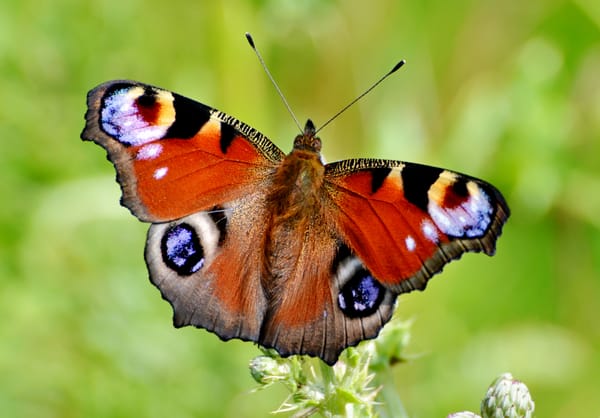
Butterflies and moths are far less common than they were 40 years ago and you don’t need to look hard to find out why.
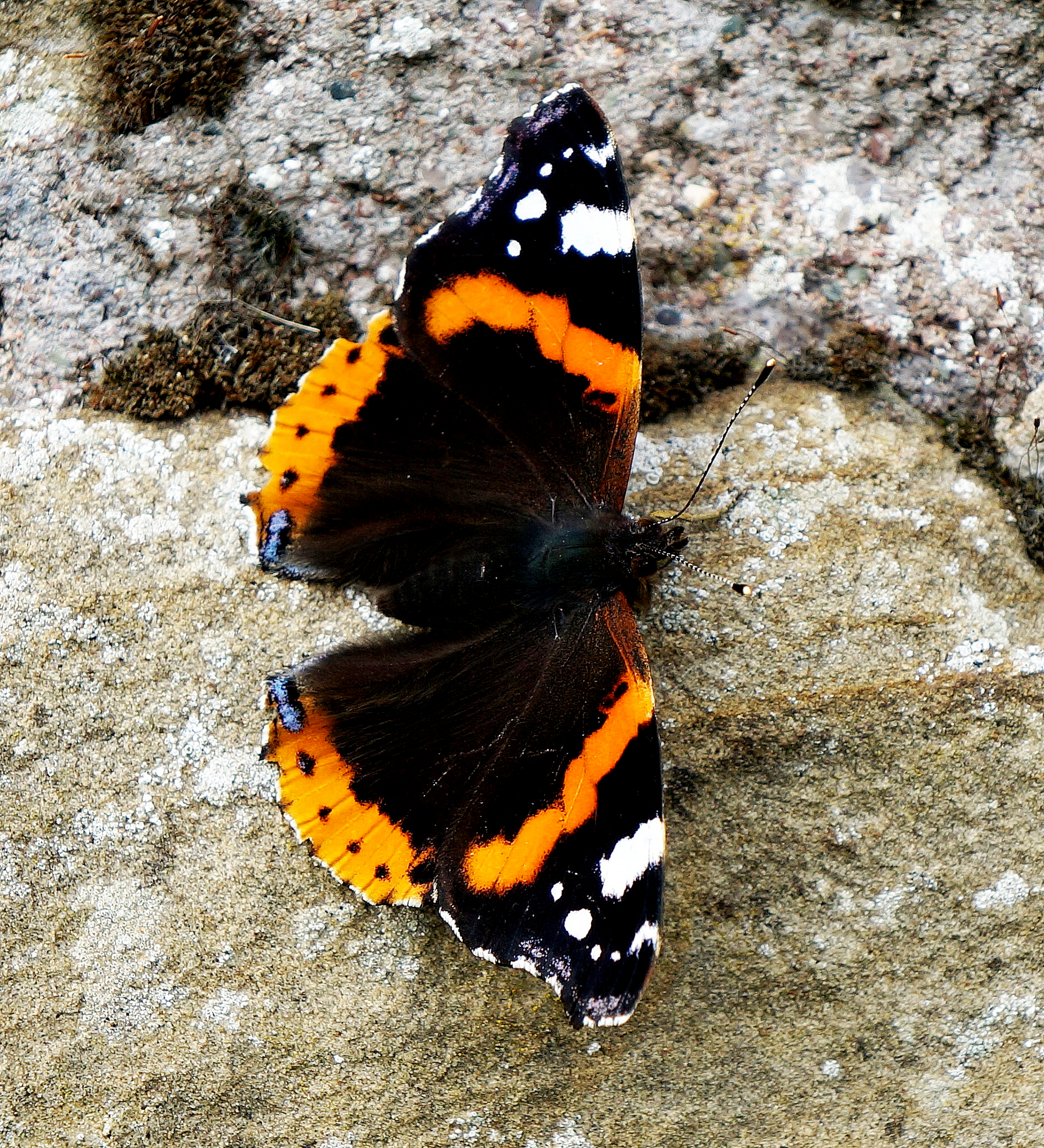
Many species are in serious decline, as their countryside habitat has been lost to industrial and housing developments, intensive farming and roads.
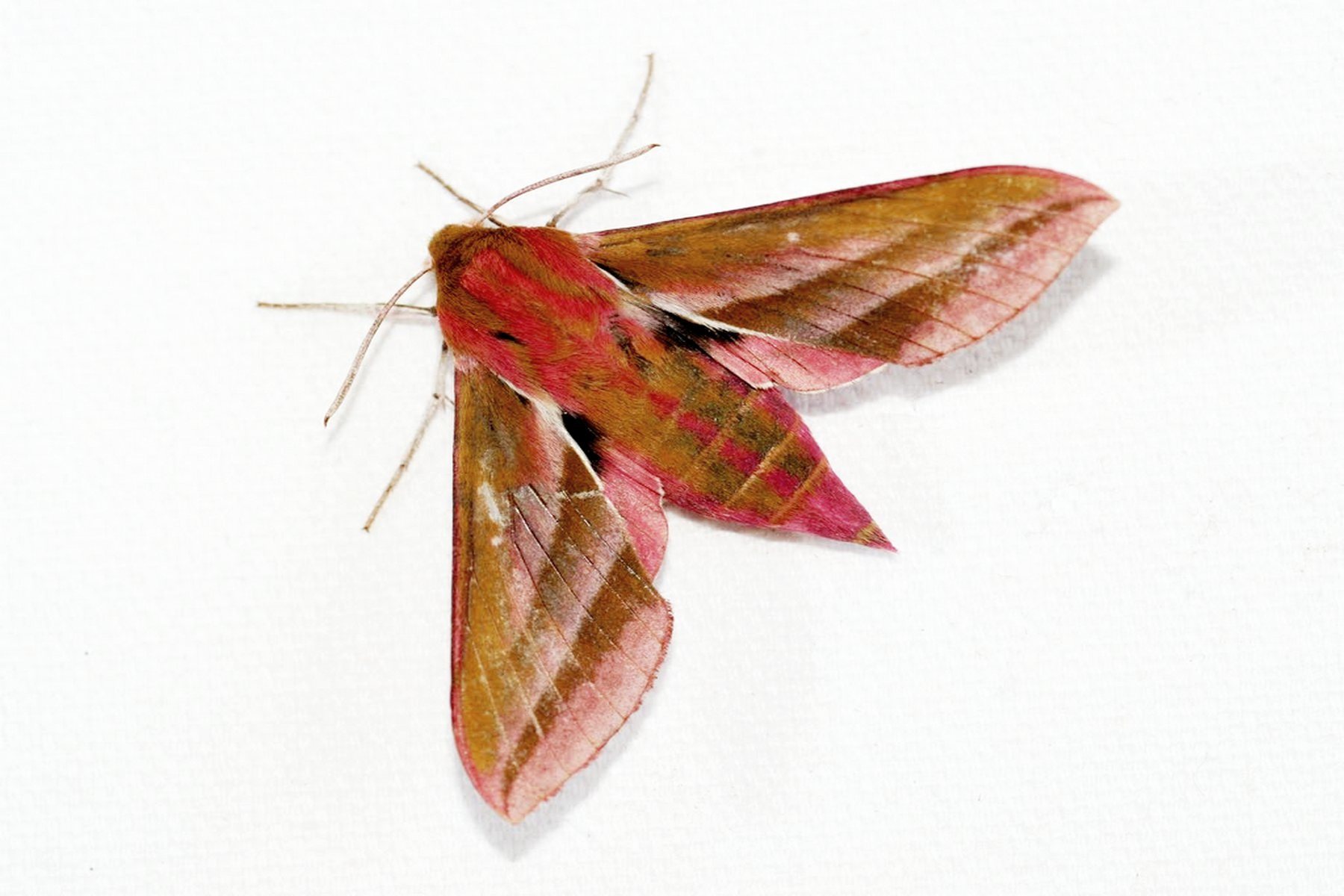
With 97% of wildflower meadows destroyed, along with much downland and ancient woodland, these winged beauties have lost many of their natural homes.
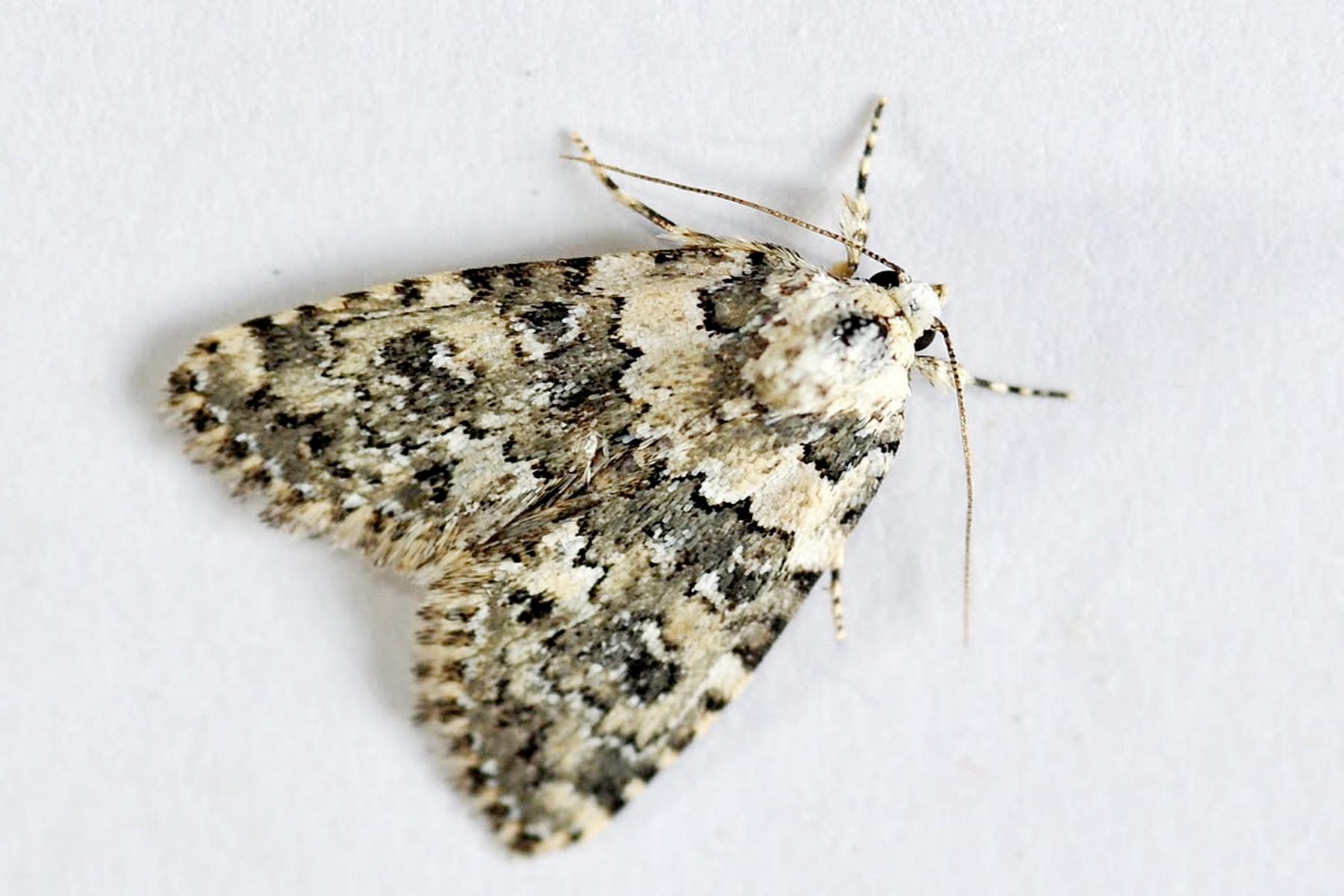
Your garden can provide a lifeline to butterflies struggling to find food and shelter.
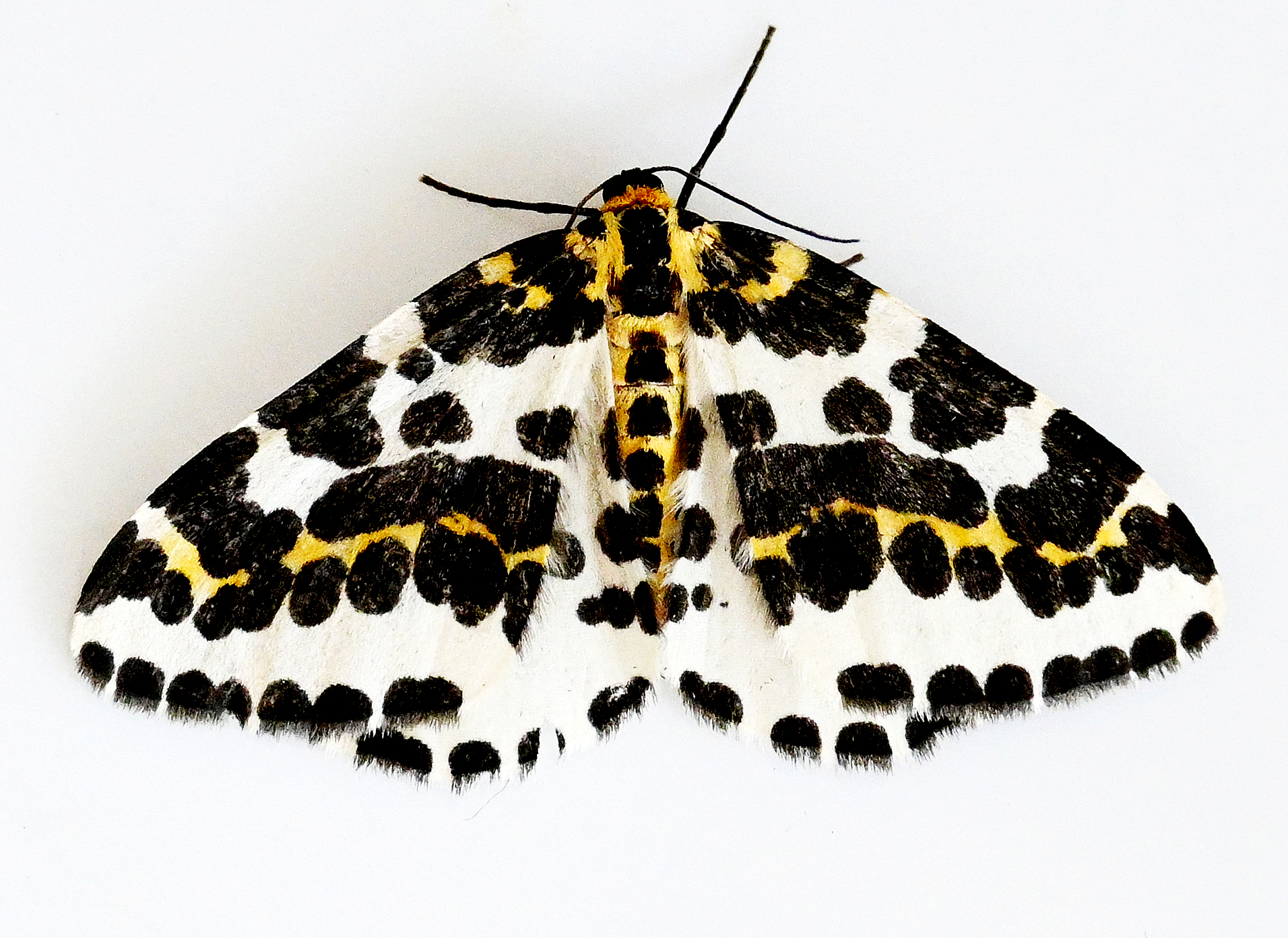
These garden plants are all good nectar sources: Buddleia, Lavender, Michaelmas Daisy, French Marigolds and Hebe, create a mini nature reserve.

If you don’t have a garden, then your local park is a great place to spot these species within this article.
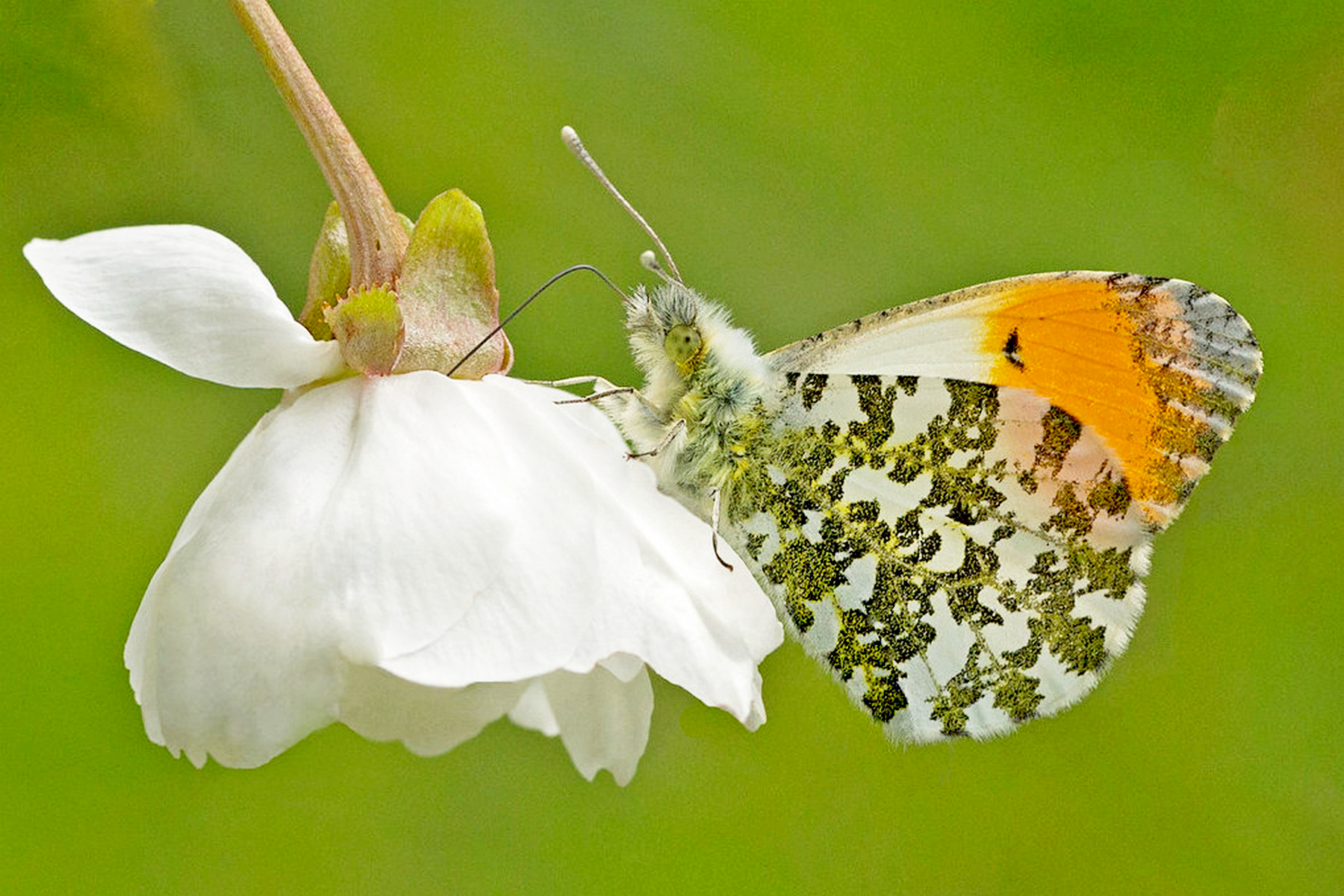
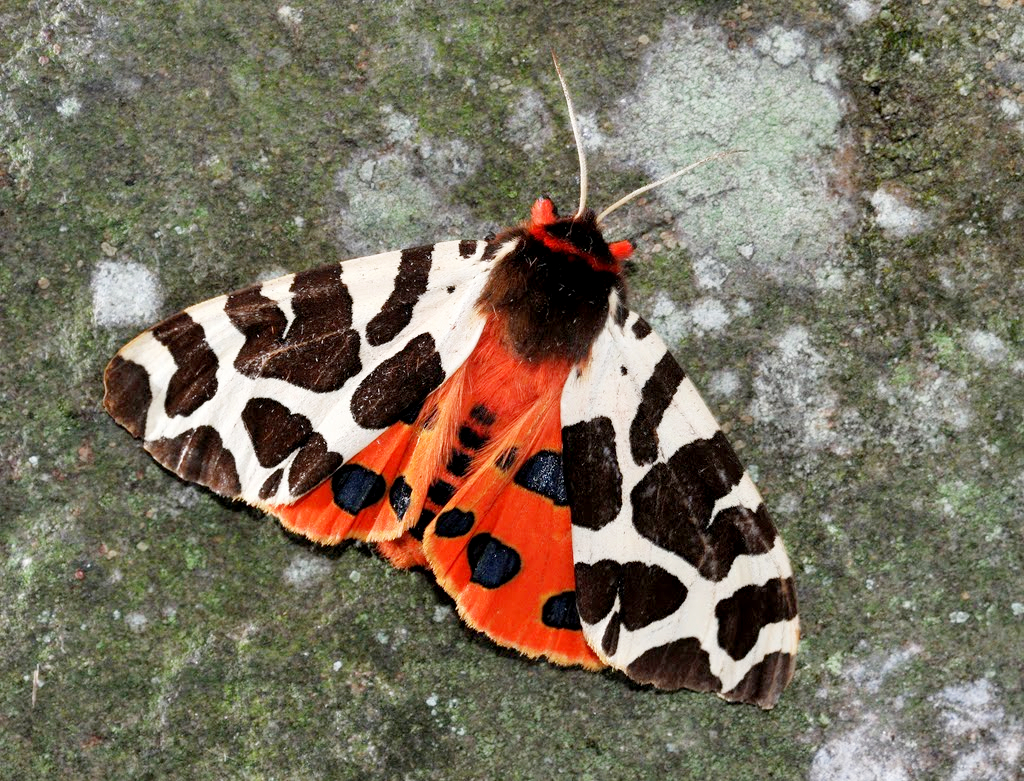
All photographs were taken locally in Levengrove, Havoc Meadow, Balloch Park and my own garden.
West Dunbartonshire Council’s Greenspace Team has planted plenty of wildflower meadows throughout the area to help our birds, bees, butterflies and insects.
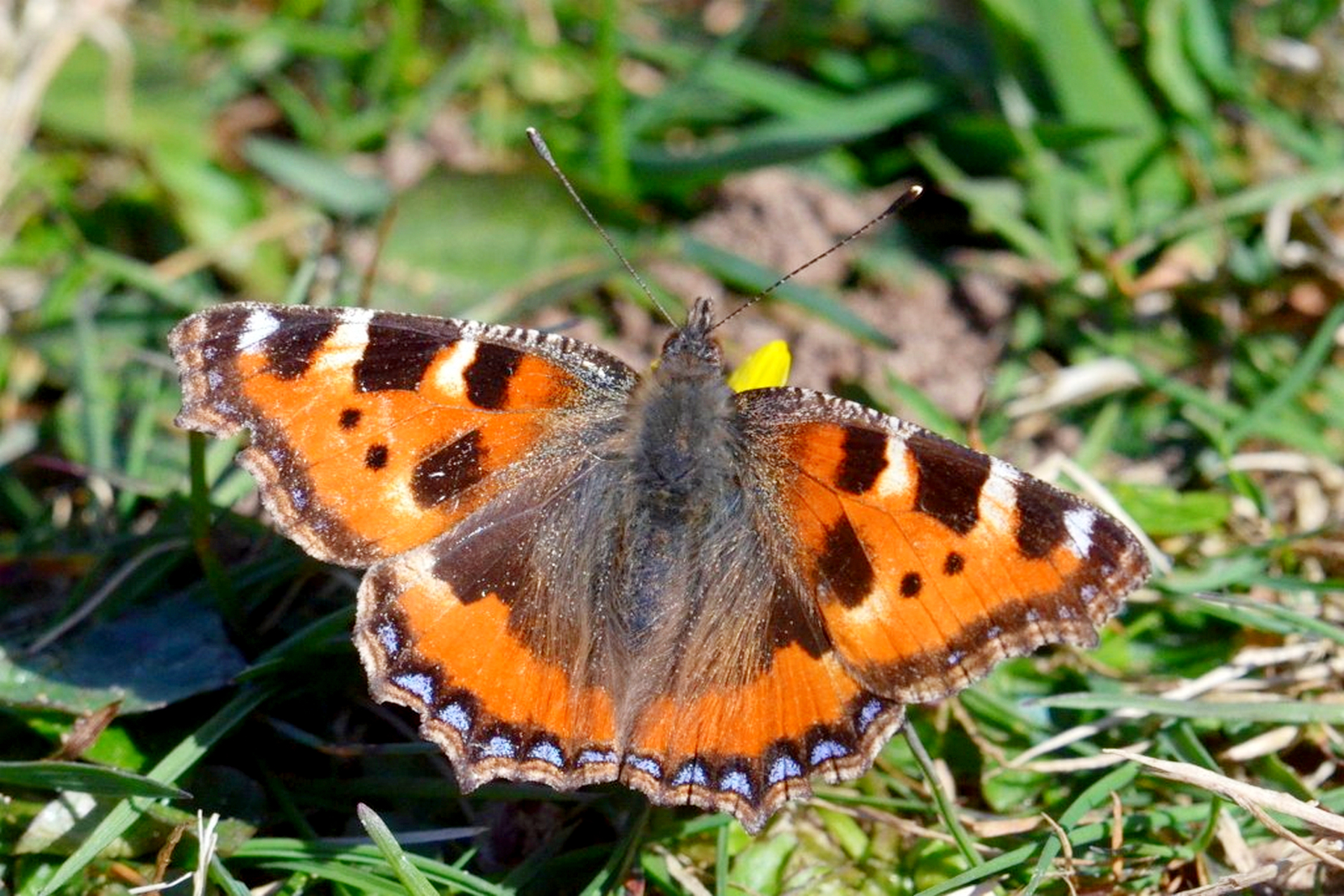
The variety of flower colours is just simply stunning.
Creating your own mini nature reserve is easy to do and you will be rewarded with the magical jewels that our garden bees, butterflies, moths and birds provide.