Where Are All the Butterflies?
– 3 min read
Words & Photos by Jim Duncan
Last year we had a cool and wet start to Spring, and you may have noticed the lack of insects throughout the area.
Most noticeable was the near absence of butterflies.
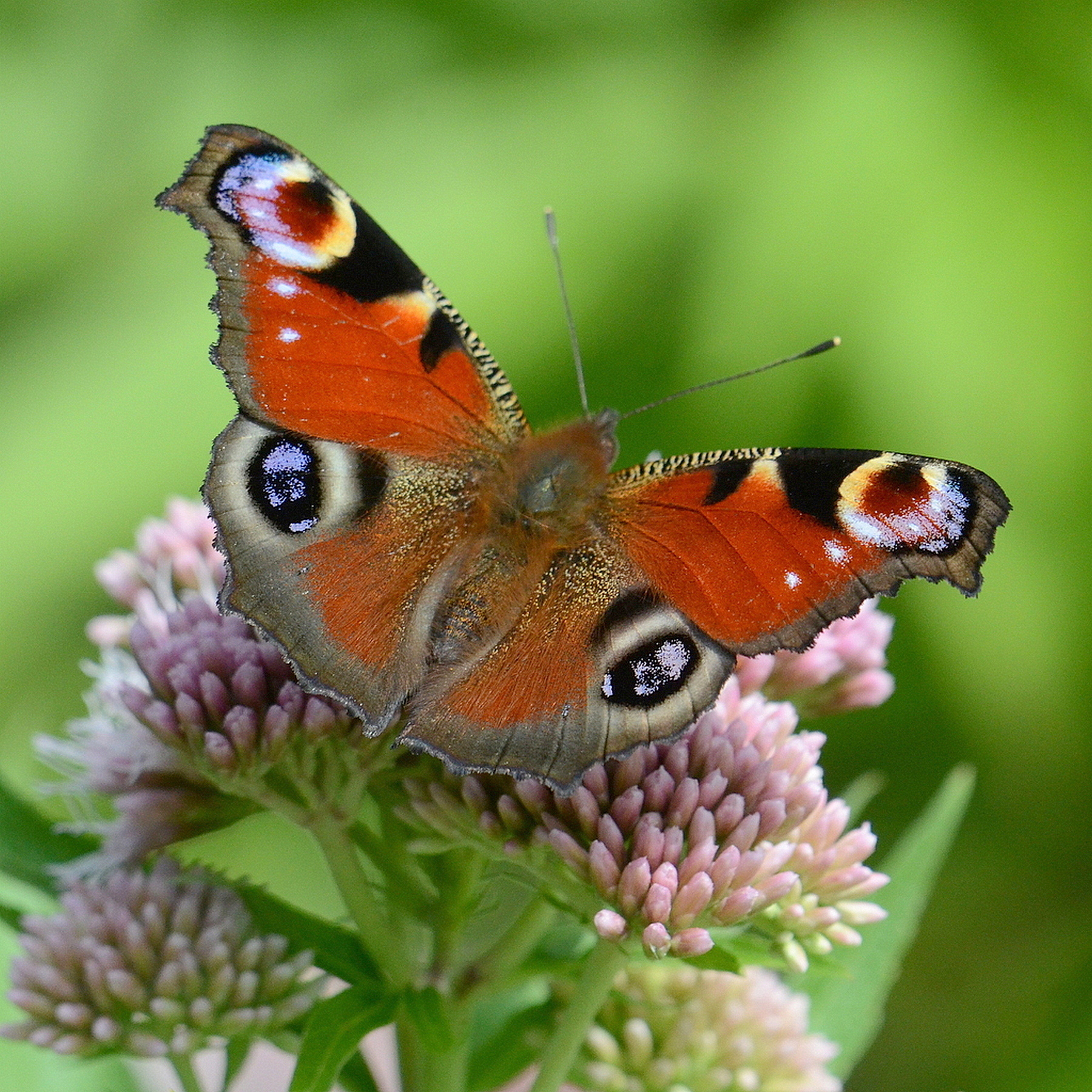
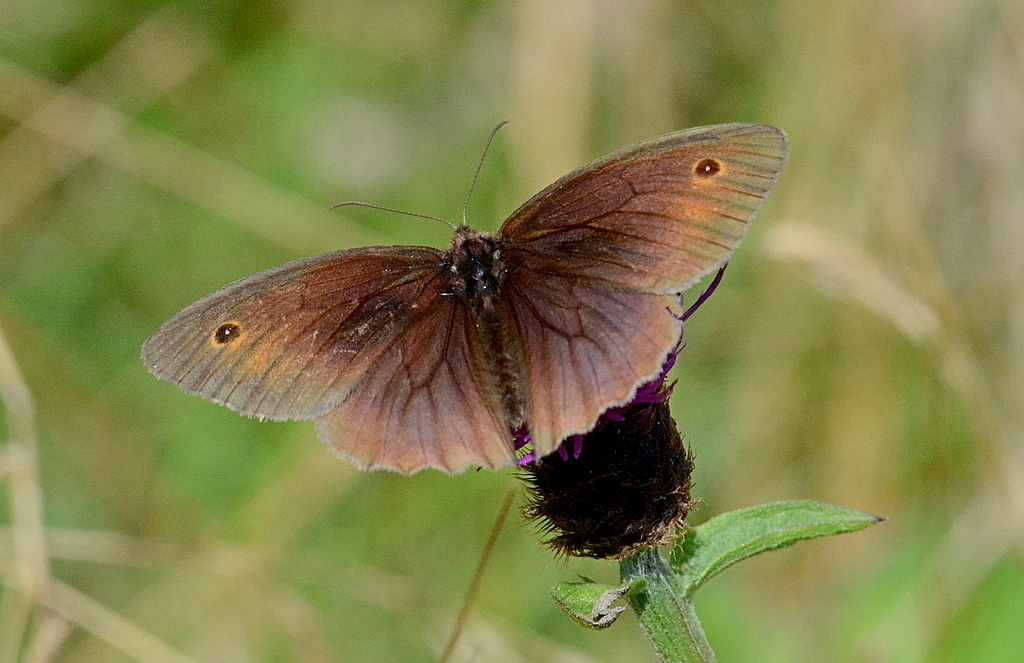
Species usually a common sight, such as large and small whites, small tortoiseshell, gatekeepers, ringlets, peacocks, and meadow browns, were down to the point of having almost disappeared.
Bee populations were also down, the flowery margins that were usually alive with these pollinators was eerily quiet. Same as the hoverflies, moths and aphids have either appeared very late or not at all.
Buddleia bushes, with their fragrant mauve flowers usually festooned with butterflies, moths and many other insects, sat naked of their normal visitors.
On an outing to the Saltings in Old Kilpatrick earlier in the year I counted eight orange-tips and one peacock butterfly.
Balloch Park gardens produced just one green-veined white and a small copper.
Other sites I regularly visit were low in numbers of damselflies, dragonflies, hawkers, and darters with no sightings of butterflies at all, either down to the wet spring, climate change or both.
In mid-July on a visit to Levengrove and Havoc Meadows, during the 'Big Butterfly Count' - a nationwide citizen science survey aimed at helping assess the health of our environment and has rapidly become the world's biggest survey of butterflies - I only managed to see a comma, small copper, meadow brown, peacock, and a lovely holly blue.
The wildlife charity Butterfly Conservation recently published the results from its annual 'Big Butterfly Count' which ran from July 12 – August 4, declaring a national 'butterfly emergency' with the results of this summer's count revealing the lowest numbers on record.
The charity also warned it is not only this year's weather contributing to the lack of butterflies as 80% of butterflies in the UK have declined since the 1970s, with habitat loss, climate change and neonicotinoid pesticide being the main problems.
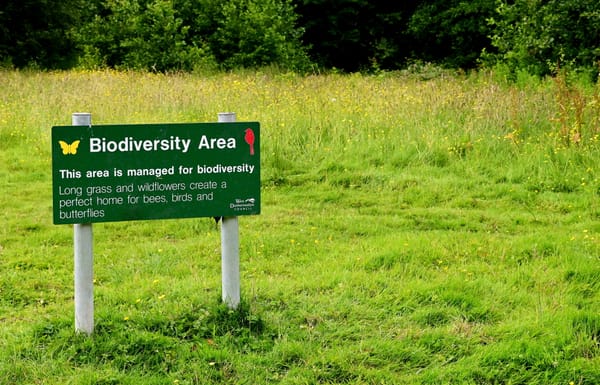
So, what can we do to help all pollinators?
If you have a garden, you can plant colourful flowers that provide nectar for the adults or if you have less space, plant them in a window box or large pots.
Put your flowers in a bright, sunny spot that's sheltered from the wind. Watching your flora bloom and delighting in pollination can be a highly rewarding experience and will create a buzzing haven for these vital pollinators.
These plants are great to have in the garden - lavender, borage, marjoram, fleabane, and helianthus (sunflowers), this towering plant will certainly catch a honeybee’s attention!
If you have fruit which looks past its best just put it out in the garden and you will find butterflies and birds will enjoy it.

A recent study found rotting fruit usually contains much higher levels of salts and amino acids (proteins) than nectar, which may help with egg production and survival of long-lived adult butterflies,such as a comma.
It needs to make it right through the winter in hibernation, and the females need to be ready to lay eggs as soon as they emerge in spring.
Butterflies are key biodiversity indicators as they react very quickly to changes in their environment, therefore if numbers are falling - then nature is in trouble!
Help keep Clydesider free for all: Join Clydesider Community Magazine's Ko-fi Membership